

Scaling finance operations at a startup is a critical step for founders and executives seeking to maintain control over cash flow, optimize capital structure, and ensure compliance with rapidly evolving regulatory environments. Particularly in the competitive Bay Area ecosystem, where burn rate and runway management can dictate the difference between fueling continuous innovation and facing premature capital depletion, a robust financial operation isn’t a luxury—it’s a strategic necessity. This process intertwines with key startup milestones like closing a Series A or B financing round, securing favorable SAFE note terms, and structuring a clean cap table that aligns investor incentives. Leveraging high-authority frameworks established by the NVCA, SEC, California FTB, and AICPA, startups can better navigate complex financial demands, from accurate 409A valuations to exploiting R&D tax credits, all while staying true to their growth ambitions.
Understanding how to scale finance operations at a startup goes beyond basic bookkeeping or routine CPA tasks. It involves embedding strategic financial leadership—often through fractional or outsourced CFO services—into everyday decision-making and scaling processes. These services empower startups to implement financial controls, introduce scalable reporting systems, and prepare for both expected and unexpected financial challenges typical in high-growth Bay Area tech, SaaS, AI, biotech, and fintech ventures.
Building the Foundation: Why Startups Must Prioritize Scaling Finance Early
Early-stage startups often begin with lean accounting practices tightly managed by founders or small finance teams. However, as companies evolve from pre-seed to seed and beyond, relying solely on ad hoc financial management jeopardizes clarity around unit economics, ARR, MRR, and ultimately, viability.
Impact of Scalability on Burn Rate and Runway Management
Burn rate—the pace at which a startup spends its capital—is a key indicator of health and duration to profitability or next funding milestone. Improperly managed burn rates lead to inaccurate runway calculations. Without scaled finance operations, unplanned expenses can go unnoticed, diluting runway and amplifying investor pushback. Scalable finance teams implement rigorous expense tracking and forecasting models that provide real-time insights, improving decision-making in fast-moving Bay Area markets.
Regulatory Compliance: Navigating California Franchise Tax and Beyond
California’s regulatory landscape imposes unique financial obligations. For startups incorporated as Delaware C-corps operating in San Francisco or Silicon Valley, understanding the California franchise tax and nexus rules is mandatory. An inefficacious finance function risks costly penalties or misfilings that erode investor trust. Scaled operations establish internal controls to comply with state and federal laws, while leveraging timely advisory to mitigate tax liability, including optimizing eligibility for the California R&D tax credit—a substantial financial lever for biotech and AI startups heavily investing in innovation.
Cap Table Management and Investor Relations
A clean, transparent cap table is foundational to attracting and securing venture capital. As fractional cfo san francisco introduce multiple financing instruments—convertible notes, SAFEs, preferred stock—it becomes critical to maintain an accurate and compliant equity structure. Scaled finance operations deploy dedicated tools and workflows to manage dilution, option pools, and anti-dilution rights. This transparency is essential for Series A and B negotiations, fostering confidence with prospective investors and facilitating smooth SEC disclosures when preparing for potential public offerings or acquisition scenarios.
Transitioning finance from reactive to strategic demands a strategic mindset shift. It’s essential to understand how scaling finance operations transforms not only compliance but also catalyzes growth velocity and capital efficiency.
Strategic Components of Scaling Finance Operations
Scaling finance requires integrating people, processes, and technology optimized for the startup’s current and projected complexity. Achieving this cohesion empowers founders and executives to focus on core innovation while preserving financial agility and oversight.
Financial Leadership: The Role of Fractional and Outsourced CFOs
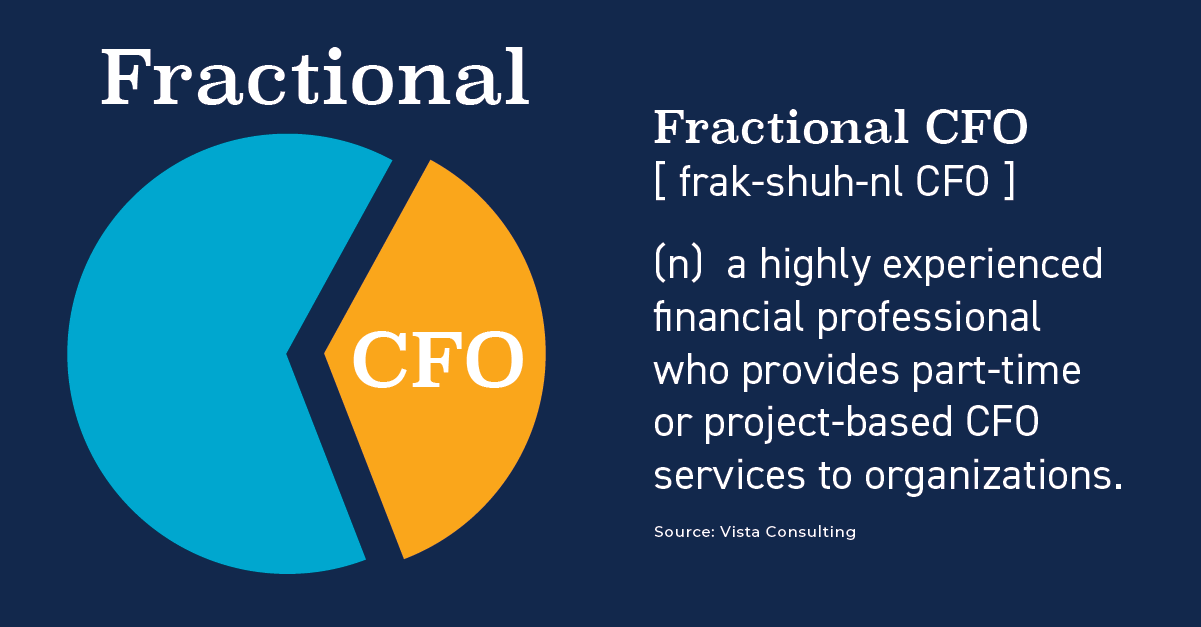
Full-time CFOs can be cost-prohibitive for early-stage companies still refining product-market fit. A fractional CFO or an outsourced CFO brings seasoned financial leadership on-demand, providing scalable expertise in capital raising, financial planning & analysis (FP&A), and investor relations. In the Silicon Valley and Bay Area ecosystem, where VC expectations and diligence standards are rigorous, these CFO services help navigate complex negotiations around valuation, SAFE note structuring, and revenue recognition policies, ensuring startups position themselves optimally for future rounds.
Automating Financial Processes and Reporting Systems
Manual bookkeeping and spreadsheet-driven forecasting limit transparency and slow responsiveness. Integrating scalable cloud-based finance platforms that sync with operational data streams—such as billing software for MRR tracking or ERP systems for expense reconciliation —enhances accuracy. Beyond accuracy, automation frees finance teams to focus on strategic analysis, such as assessing unit economics deeply or scenario planning for down rounds. Furthermore, early adoption of controls aligned with AICPA standards ensures that scaling financial practices remain audit-ready, thus appealing to venture capitalists and potential acquirers.
Robust Budgeting, Forecasting, and Cash Flow Management
Effective forecasts underpin strategic decisions essential to prolonging runway. Startups in high-burn industries like biotech or AI, where R&D cycles are lengthy and capital-intensive, especially benefit from dynamic forecasting models that incorporate milestone-based spending and variant funding outcomes. Tightening cash flow management with rolling forecasts and integrating KPIs such as ARR and CAC (Customer Acquisition Cost) drives smarter spend. This also directly impacts valuation at subsequent raise stages and can help survive liquidity crunches or pricing pressure that prompt down rounds.
Before implementing these strategic components, startups must address staffing and role clarity to align with financial scaling imperatives.
Optimizing Finance Team Structure for Growth
Scaling finance isn’t merely about growth in revenue or funding secured; it’s about building a team capable of evolving with those milestones, maintaining operational excellence without overextension.
From Founder-Led Books to Established Finance Functions
At inception, founders or product leads may handle finances, but as complexities in capitalization, revenue streams, and compliance increase, disjointed management hampers growth. Transitioning to dedicated finance roles—through a Controller to an FP&A lead—facilitates segregation of duties and internal controls. This mitigates risk of errors in tax compliance, inaccurate financial statements, or miscalculations in burn rate metrics that are frequent pain points during due diligence and Series A negotiations.
Defining Clear Roles: Controller, FP&A, Treasury, and Investor Relations
A scalable finance team in startups consists of complementary roles each with targeted responsibilities. Controllers ensure accuracy in financial records and oversee compliance with GAAP and AICPA guidelines. FP&A professionals provide forward-looking insights including unit economics and revenue forecasting. Treasury focuses on cash management and capital structure optimization while Investor Relations professionals manage communication with current and potential stakeholders, articulating the company’s financial story effectively.
Recruiting for Cultural and Technical Fit in the Bay Area Market
Hiring in Silicon Valley entails balancing technical finance expertise with adaptability to rapid change and startup culture. Awards-worthy CFOs and controllers not only provide mastery of NVCA term sheets, SEC disclosure standards, and California-specific tax frameworks but also possess experience with the unique capital raising timelines and growth trajectories typical to SaaS, AI, and fintech startups. Building this team early ensures the company can leverage financial data as a strategic asset rather than a retroactive burden.
Having outlined team considerations, attention must turn to specific financial mechanics central to scaling operations: from valuations to capital raising nuances endemic to Bay Area startups.
Key Financial Mechanics: Valuations, Capital Structure, and Compliance
Mastering these mechanics elaborates how scaled finance operations translate into tangible advantages—reducing legal friction, optimizing capital efficiency, and setting firms up for successful fundraising rounds.
409A Valuation Best Practices for Startups
A crucial but often overlooked element in equity compensation strategy is compliance with 409A valuation guidelines. This valuation influences stock option pricing and tax treatment, directly affecting employee incentives and startup attractiveness. Scaled finance operations ensure timely, independent 409A valuations aligned with SEC and IRS standards, thus avoiding costly penalties and enabling smooth onboarding of talent with clearly defined compensation expectations.
Cap Table Structuring: Balancing Founder and Investor Interests
Cap table complexity increases with each financing round and the introduction of instruments like SAFEs or convertible notes. Scaled finance teams deploy robust software tools and governance frameworks to maintain transparency and equity flow clarity. This allows negotiation leverage during Series A/B rounds by accurately forecasting dilution and modeling ownership shifts under different exit scenarios.
Leveraging R&D Tax Credits and California Incentives
Startups heavily investing in technology or biotechnology stand to reduce cash burn through California’s R&D tax credit, a refundable credit that directly supports innovation spend. Scaled finance often partners with tax specialists to maximize these benefits, ensuring startups retain capital for sustained product development while maintaining compliance with regulatory thresholds set by the California Franchise Tax Board and IRS.
With core financial mechanics operationalized, navigation of capital raises within Silicon Valley’s competitive venture environment becomes markedly more disciplined and investor-friendly.
Accelerating Fundraising and Investor Confidence Through Scaled Finance
For Bay Area startups, funding milestones are pivotal inflection points. Scaling finance operations directly enhances fundraising velocity and valuation multiples by elevating organizational credibility and strategic agility.
Supporting Series A and B Fundraises with Accurate Financial Models
Institutional investors demand fidelity in forecasts, burn rate analysis, and capital allocation planning. Scaled finance teams produce investor-ready materials that clearly map operating metrics—such as MRR growth rates, churn, and unit economics—to funding requirements and valuation assertions. This clarity bolsters terms negotiation and prevents surprises during due diligence, thereby accelerating deal closure.
Preparing for Liquidity Events and SEC Reporting Compliance
Scaling finance functions also extend into readiness for liquidity events, including M&A or IPOs. Especially relevant for Delaware C-corps, adherence to SEC disclosure requirements and GAAP-aligned reporting are non-negotiable. Early adoption of stringent controls and audit preparation saves time and money, while increasing confidence among underwriters and buyers.
Managing Down Rounds and Financial Stress Scenarios
Not all startups escape down rounds or liquidity crunches unscathed. Scaled finance teams support scenario planning that models cap table impacts, founder dilution, and investor relations management in these tougher environments. This preparedness is a key differentiator for surviving downturns while setting the foundation for pivot-driven recovery.
Scaling finance operations is multifaceted, and startups often seek expert guidance navigating these complexities without prematurely committing full-time resources.
Summary and Next Steps: Engaging Fractional CFO Expertise to Scale Finance Operations
For founders and executives in the Bay Area startup ecosystem aiming to scale finance operations, the path forward requires a strategic approach that balances operational rigor, regulatory compliance, and proactive capital management. Entrusting fractional CFO or outsourced CFO services can provide cost-effective access to Tier 1 financial leadership, integrating expertise aligned with local venture capital expectations, SEC regulations, and California tax codes.
Key actions include:

- Conduct a finance function maturity assessment to identify gaps in team structure, process automation, and compliance readiness.
- Engage fractional CFO services to design scalable systems embedded with NVCA best practices, SEC disclosure alignment, and California regulatory requirements.
- Implement technology platforms for real-time financial reporting, cap table management, and burn rate forecasting.
- Prepare comprehensive models incorporating 409A valuations, unit economics, and tax credit optimization to support upcoming funding rounds.
- Develop investor communications and financial narratives that demonstrate discipline and strategic foresight, reinforcing credibility in competitive Silicon Valley fundraising environments.
Scaling finance is not a one-time project but a continuous evolution integral to sustaining growth, extending runway, and successfully navigating the multifaceted demands of the Bay Area startup landscape. Strategic financial leadership, whether fractional or internal, is indispensable for turning complex financial mechanics into scalable competitive advantages.